
笔记:A system-theoretic assurance framework for safety-driven systems engineering
A system-theoretic assurance framework for safety-driven systems engineering
Abstraction
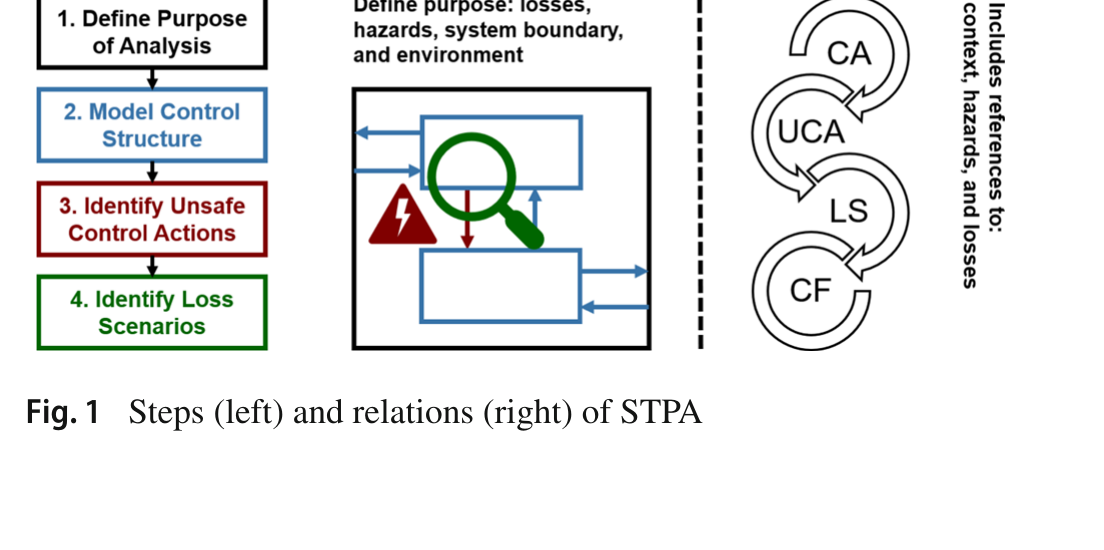
The complexity of safety-critical systems is continuously increasing. To create safe systems despite the complexity, the system development requires a strong integration of system design and safety activities. A promising choice for integrating system design and safety activities are model-based approaches. They can help to handle complexity through abstraction, automation, and reuse and are applied to desi ...
笔记:Multiphysics Acausal Modeling and Simulation of Satellites Using Modelica Library
Multiphysics Acausal Modeling and Simulation of Satellites Using Modelica Library
Abstraction
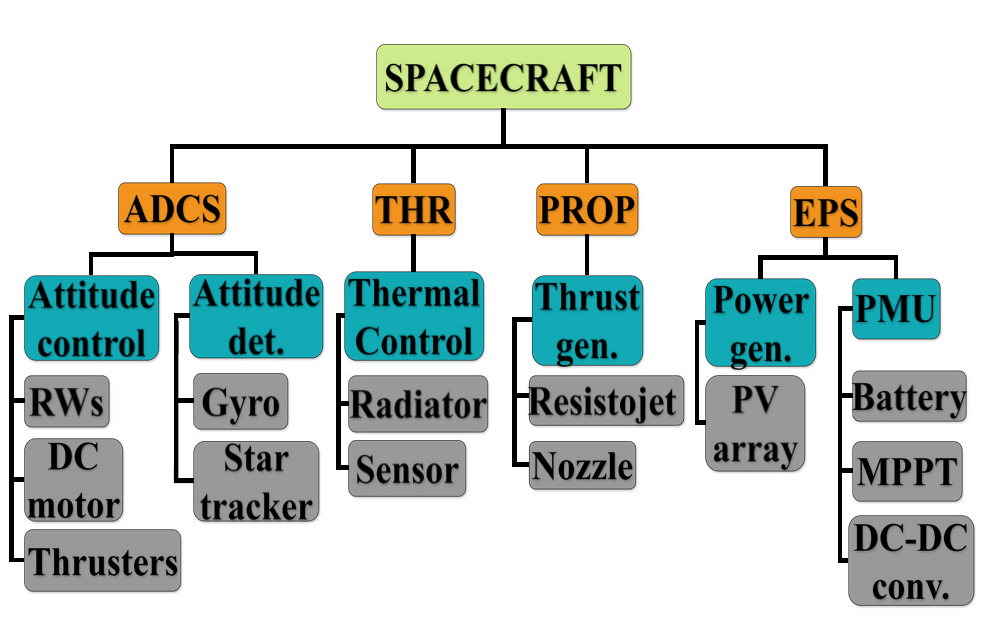
The multiphysics modeling has a great importance when a complex space system (as a satellite) is considered. Indeed, it is necessary to analyse how the system’s behavior is affected by the space environment or by on board failures. In this paper, the Modelica Library is used to hierarchically build and connect the main subsystems that can be found in a traditional satellite. Specifically, the modeling ...
笔记:Incorporating time dependence into a fault signature matrix to support root cause identification and fault propagation analysis
Incorporating time dependence into a fault signature matrix to support root cause identification and fault propagation analysis
Abstraction
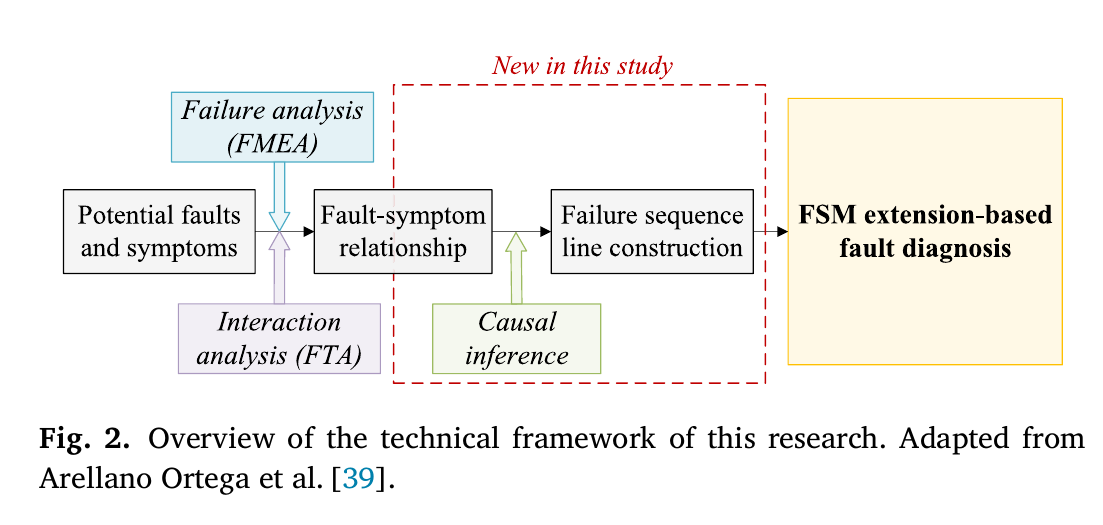
The complexity of systems is rapidly increasing to meet evolving global demands. These systems possess intricate architectures with numerous components that challenge fault diagnosis and failure prediction. A primary challenge is fault propagation, where failures cascade throughout interconnected components. Traditional reliability methods struggle to effec ...
笔记:A coupled failure mode and effects analysis method for hardware-software failure interactions in embedded systems of intelligent equipment
A coupled failure mode and effects analysis method for hardware-software failure interactions in embedded systems of intelligent equipment
Abstraction
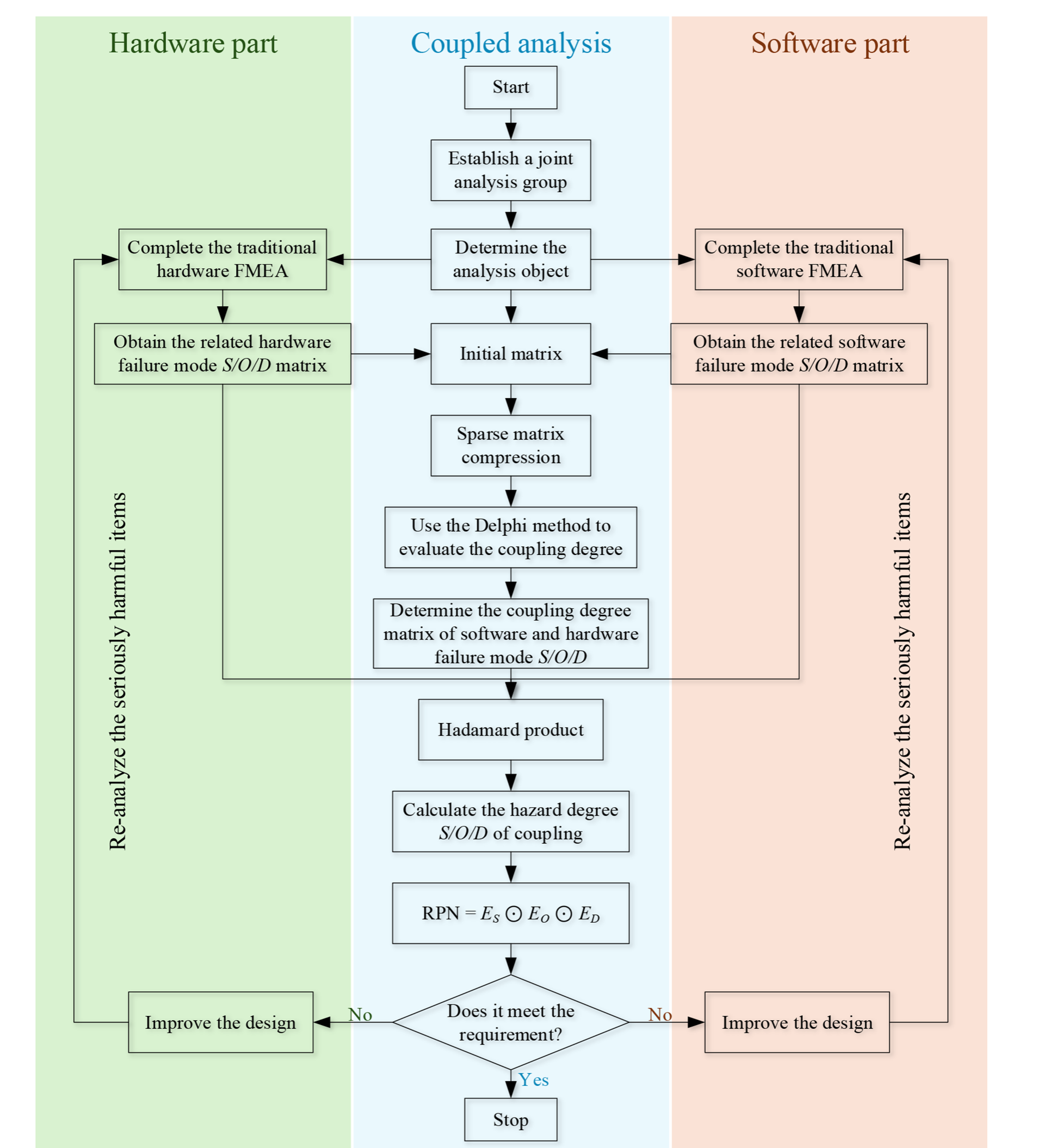
Failure mode and effects analysis (FMEA) is an effective risk prevention and control method that has been widely applied across various domains to identify potential failures and enhance system reliability. However, conventional FMEA methods often analyze software and hardware failures in isolation, making it difficult to adequately identify or a ...
笔记:A modeling and simulation framework for the study and analysis of cascading failures in satellite networks
A modeling and simulation framework for the study and analysis of cascading failures in satellite networks
Abstraction
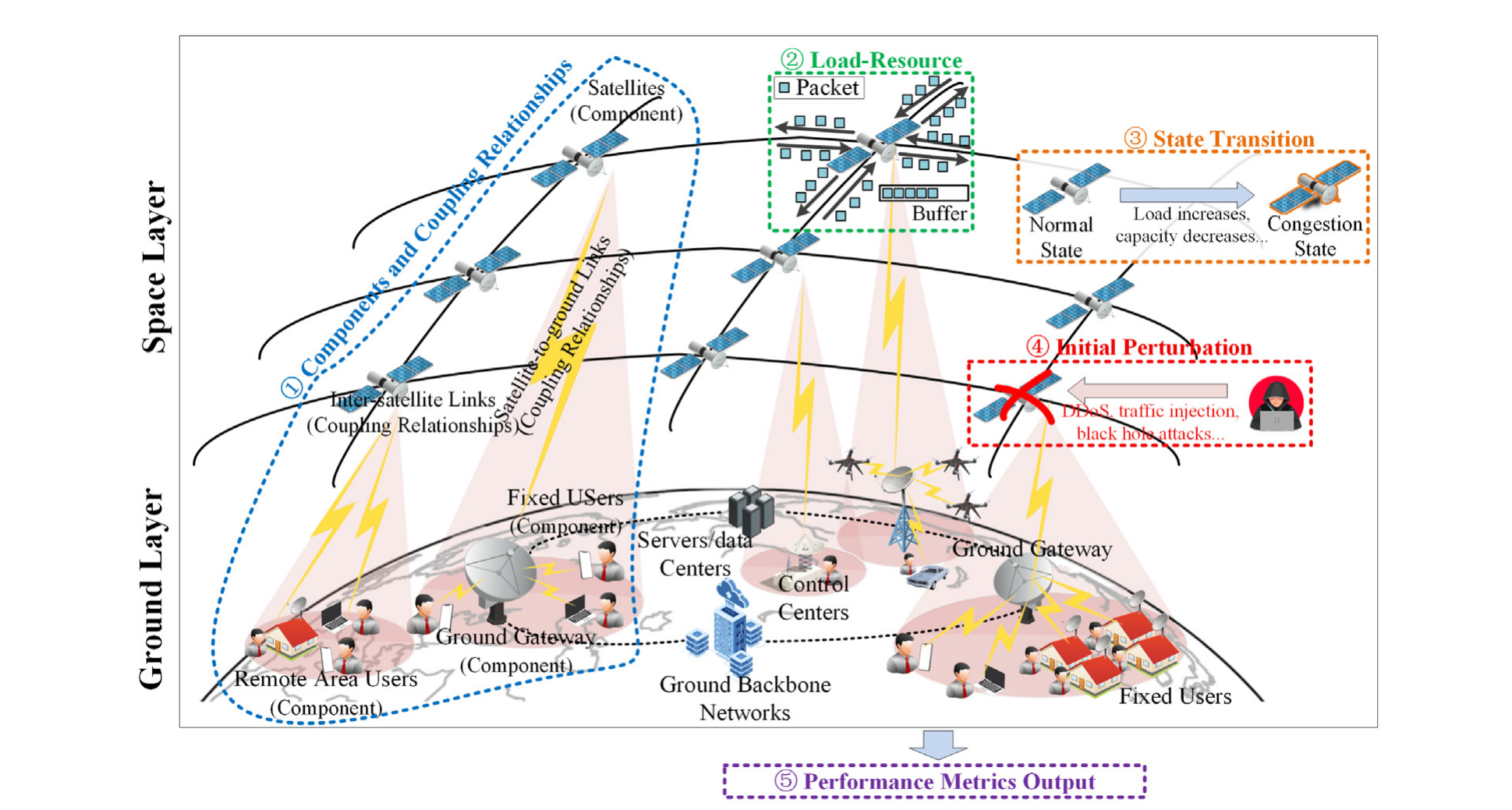
Satellite networks are inherently susceptible to cascading failures due to resource constraints, complex environments, and limited protection mechanisms. Existing studies have explored this issue from various perspectives; however, significant differences in the key modeling factors considered often lead to models that do not fully capture satellite network characteristics. Thi ...
笔记:A novel event tree analysis-graphical evaluation and review technique network model for comprehensive fault analysis in rocket hydrogen-oxygen refueling
A novel event tree analysis-graphical evaluation and review technique network model for comprehensive fault analysis in rocket hydrogen-oxygen refueling
Abstraction
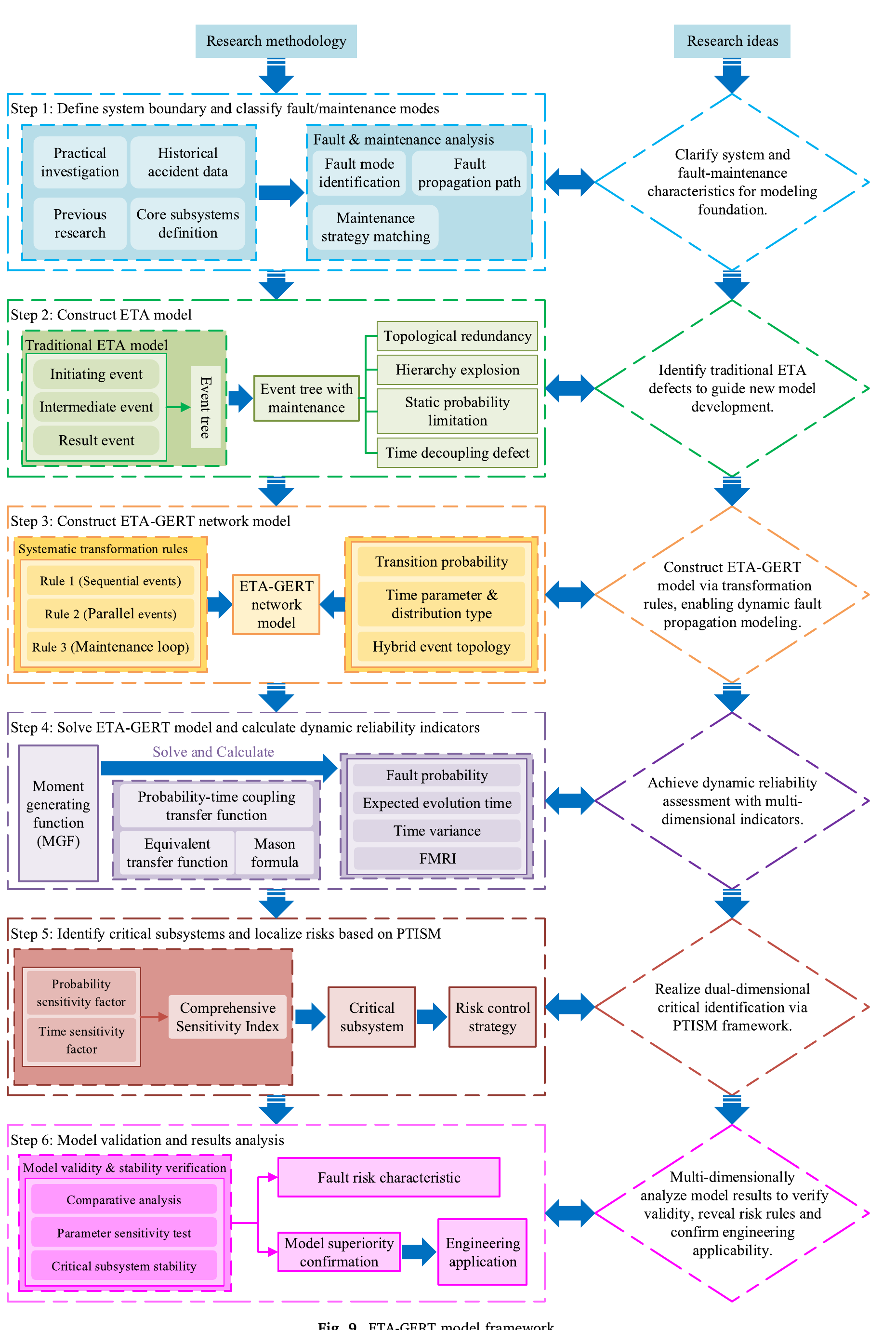
Rocket hydrogen-oxygen refueling is a safety-critical pre-launch process with multiple tightly coupled subsystems under extreme cryogenic and high-pressure conditions. Traditional event tree analysis (ETA) has four key limitations: decoupled probability-time modeling, topological redundancy from rigid linear branching, inability to ...
笔记:AADL-Based safety analysis using formal methods applied to aircraft digital systems
AADL-Based safety analysis using formal methods applied to aircraft digital systems
Abstraction
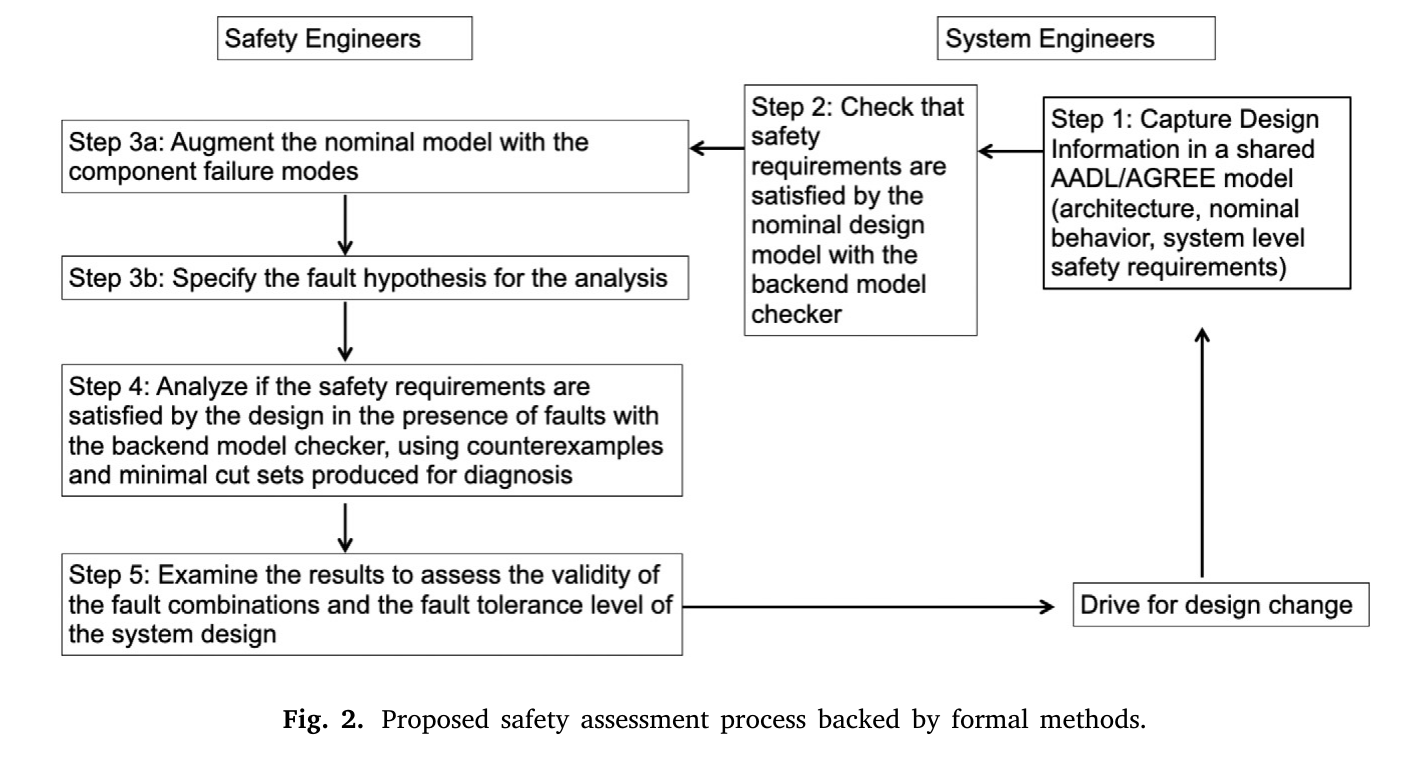
Model-based engineering tools are increasingly being used for system-level development of safety-critical systems. Architectural and behavioral models provide important information that can be leveraged to improve the system safety analysis process. Model-based design artifacts produced in early stage development activities can be used to perform system safety analysis, reducing costs, and providing ...
笔记:Failure mode and effect analysis improvement: A systematic literature review and future research agenda
Failure mode and effect analysis improvement: A systematic literature review and future research agenda
Abstraction
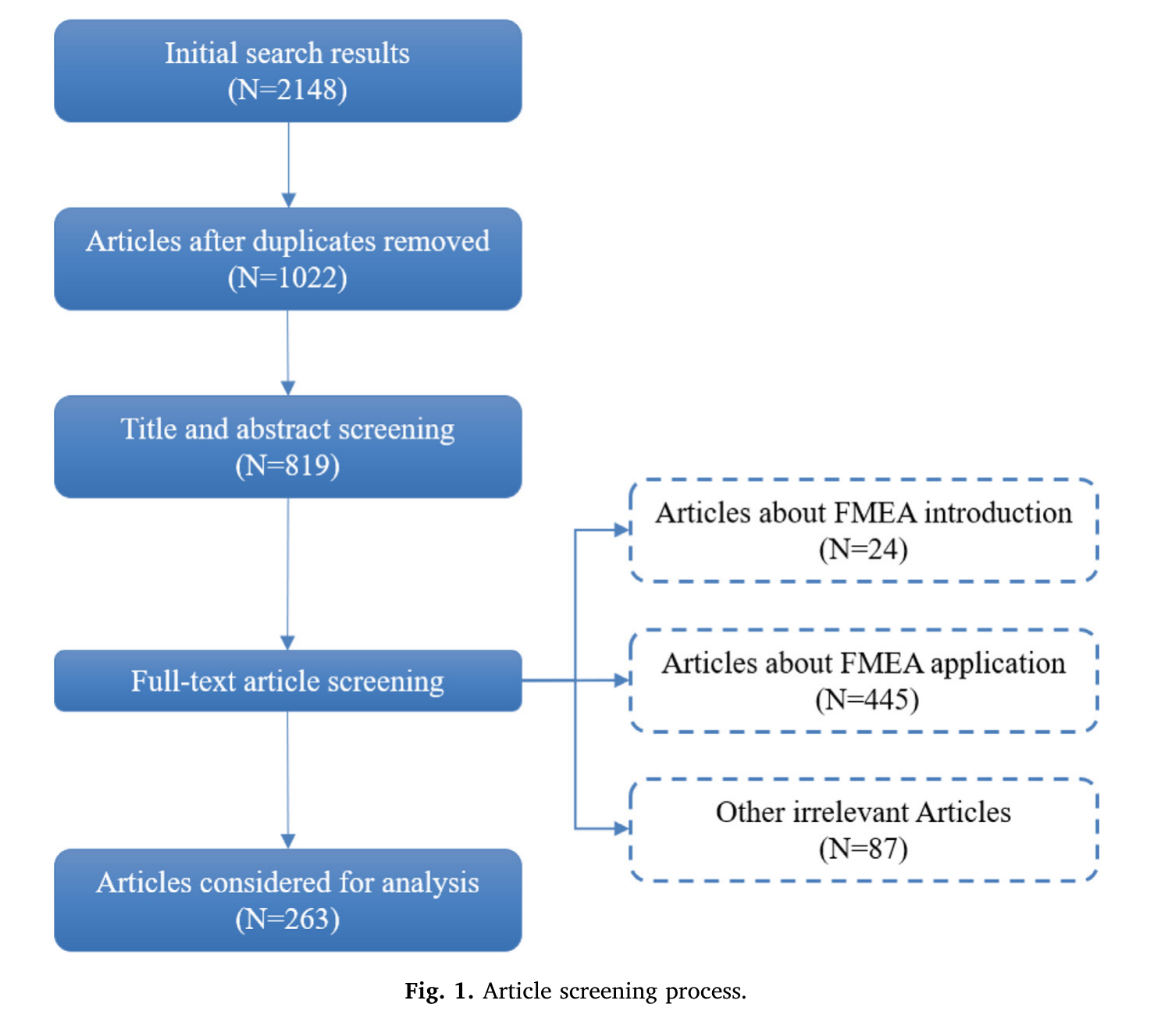
Failure mode and effects analysis (FMEA) is a reliability management technique commonly utilized in various industries to guarantee the security and reliability of systems, services and projects. Nonetheless, the classical risk priority number (RPN) method has been criticized for many inherent deficiencies in the literature. Over the last decades, plenty of models and approaches h ...
笔记:Modeling of Satellite Constellation in Modelica and a PHM System Framework Driven by Model Data Hybrid
Modeling of Satellite Constellation in Modelica and a PHM System Framework Driven by Model Data Hybrid
Abstraction
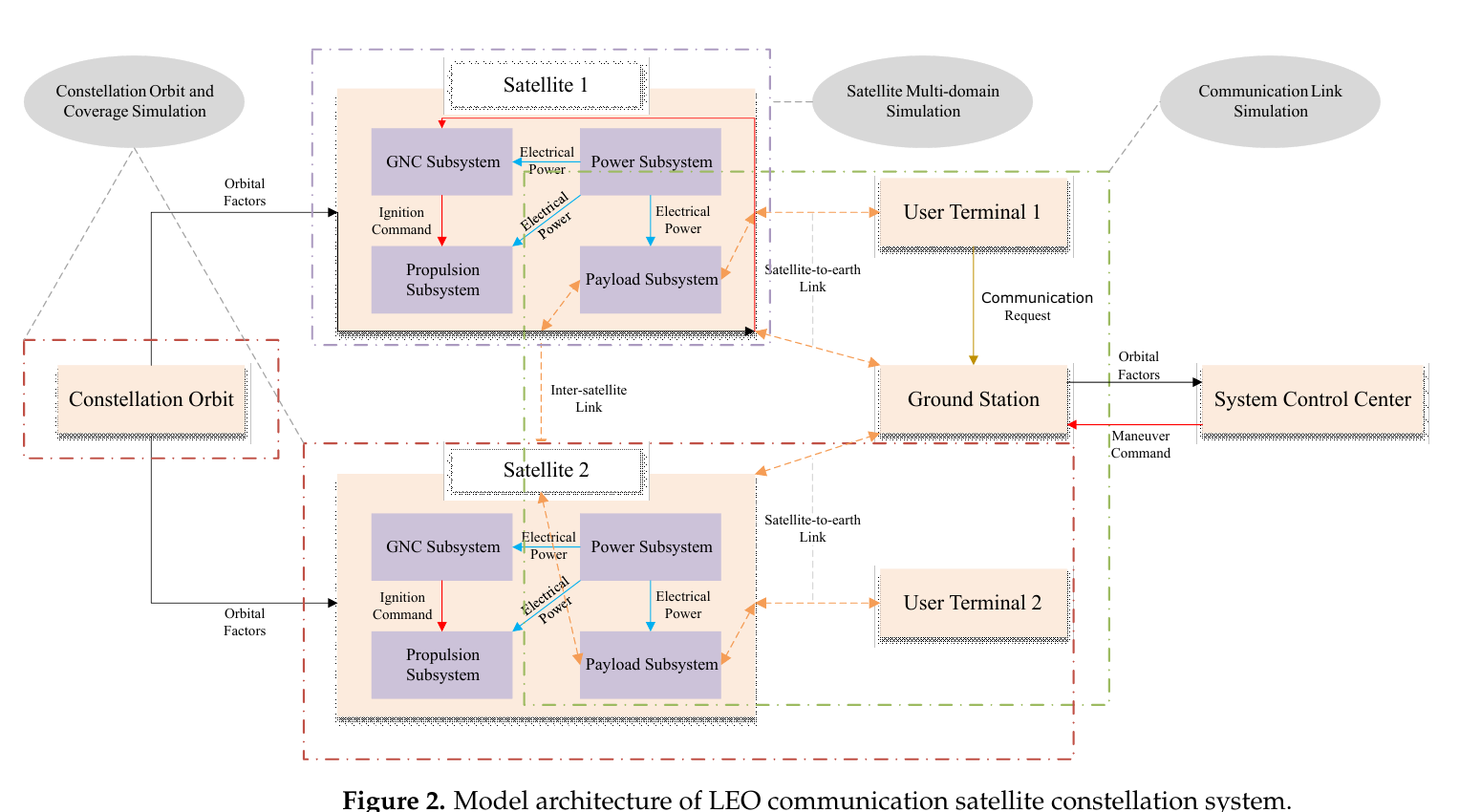
The new generation of low-earth-orbit (LEO) satellite constellation systems has the characteristics of low delay, strong signal and global coverage, and it is an important direction for the development of next-generation communication technology. A major disadvantage is that the constellation system is huge, often composed of hundreds or thousands of satellites, which puts forward ...
笔记:Inclusion of Reliability and Safety Analysis Methods in Modelica
Inclusion of Reliability and Safety Analysis Methods in Modelica
Abstraction
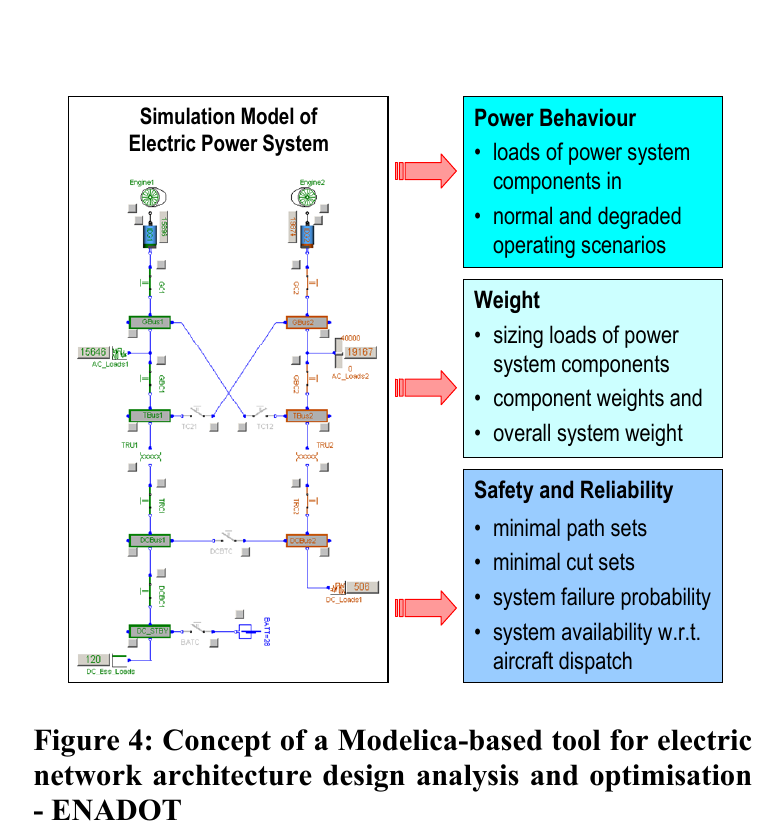
A method is developed to combine techniques of reliability and safety analysis with the Modelica language, which is now widely used for the modelling and simulation of technical systems. The method allows to perform a reliability or safety analysis on the system model that is created and used for simulation studies. The procedure automatically determines the so called minimal path sets or minimal cut sets of a system, ...
Recent Post