笔记:Guided simulation for dynamic probabilistic risk assessment of complex systems: Concept, method, and application
Guided simulation for dynamic probabilistic risk assessment of complex systems: Concept, method, and application
Abstraction
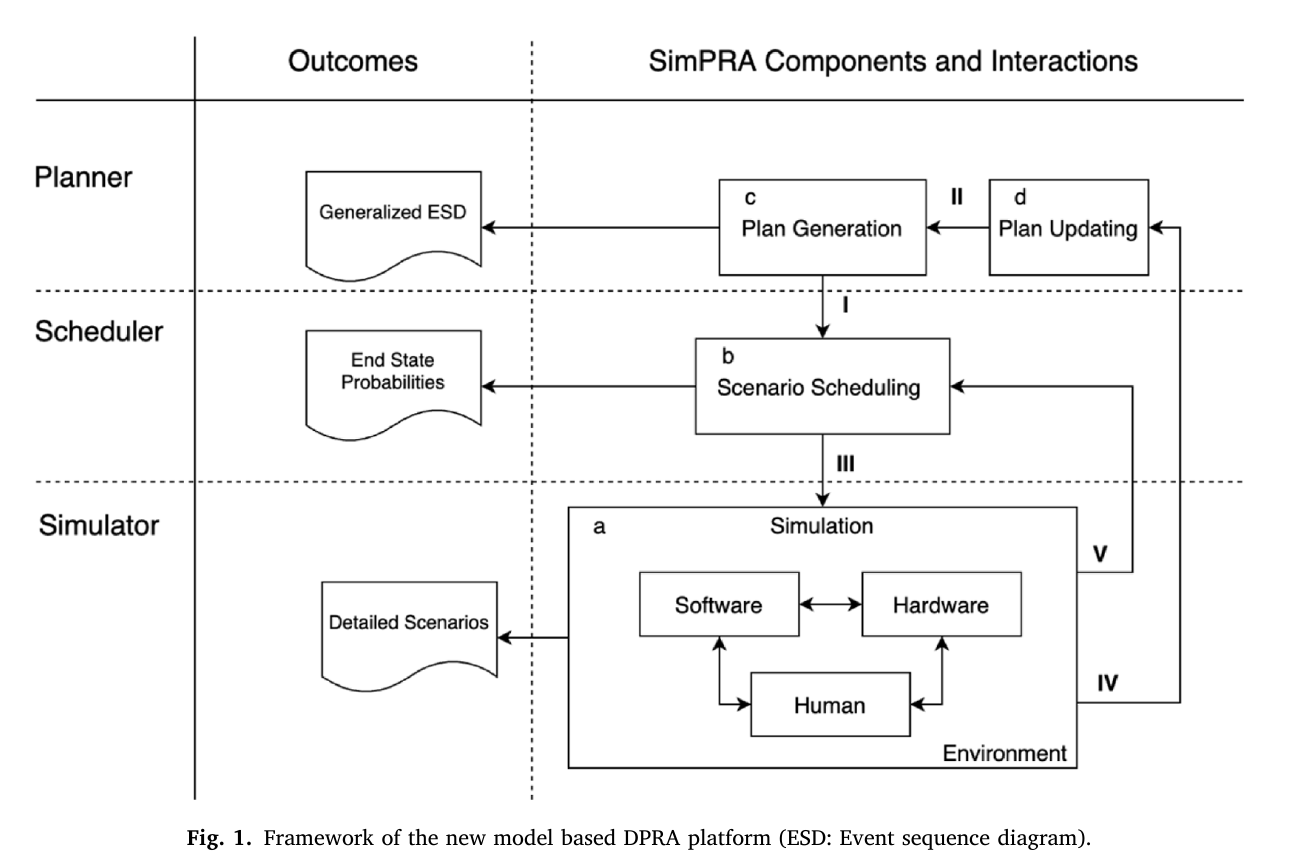
Probabilistic risk assessment (PRA) is a systematic process of examining how engineered systems work to ensure safety. With the growth of the size of dynamic systems and the complexity of the interactions between hardware, software, and humans, it is extremely difficult to enumerate risky scenarios by the traditional PRA methods. In this study, a new dynamic probabilistic ...
笔记:Simple analysis of complex system safety based on Finite State Machine Network and phase space theory
Simple analysis of complex system safety based on Finite State Machine Network and phase space theory
Abstraction
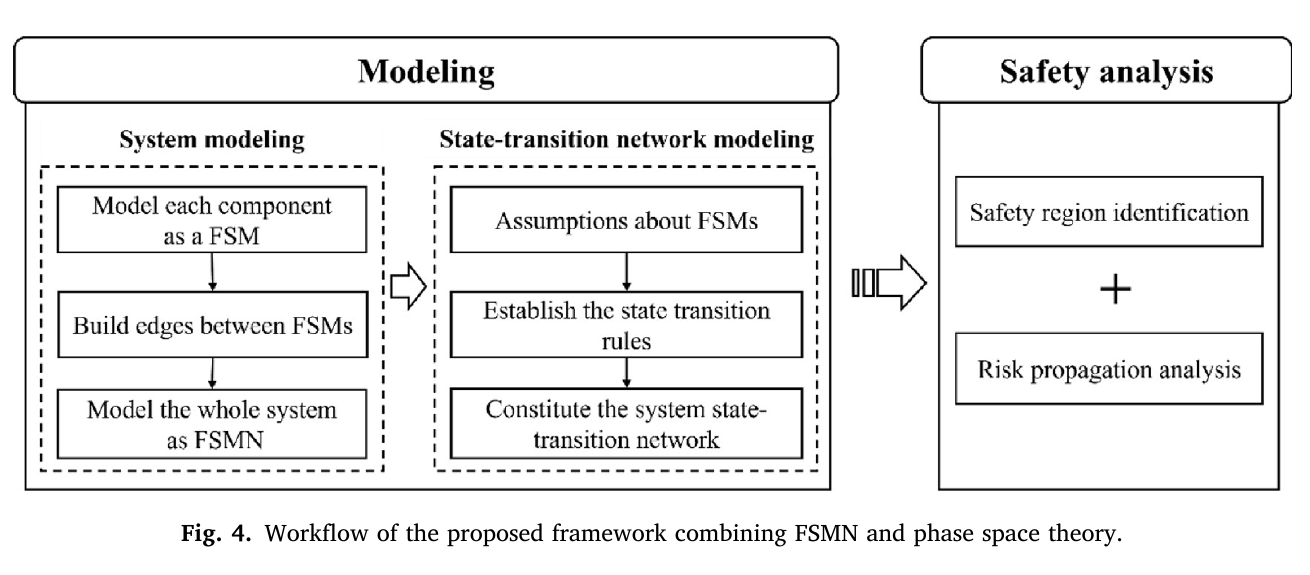
Safety analysis of complex systems, such as aero-engines, has always been a challenging problem. In particular, the risk propagation caused by system functional interactions has become increasingly prominent, leading to the difficulty of traditional safety analysis methods. Existing methods are mostly based on manual experience and deduction with difficulty to completely analyze the ...
笔记:Model-based safety analysis with time resolution (MBSA-TR) method for complex aerothermal-mechanical systems of aero-engines
Model-based safety analysis with time resolution (MBSA-TR) method for complex aerothermal-mechanical systems of aero-engines
Abstraction
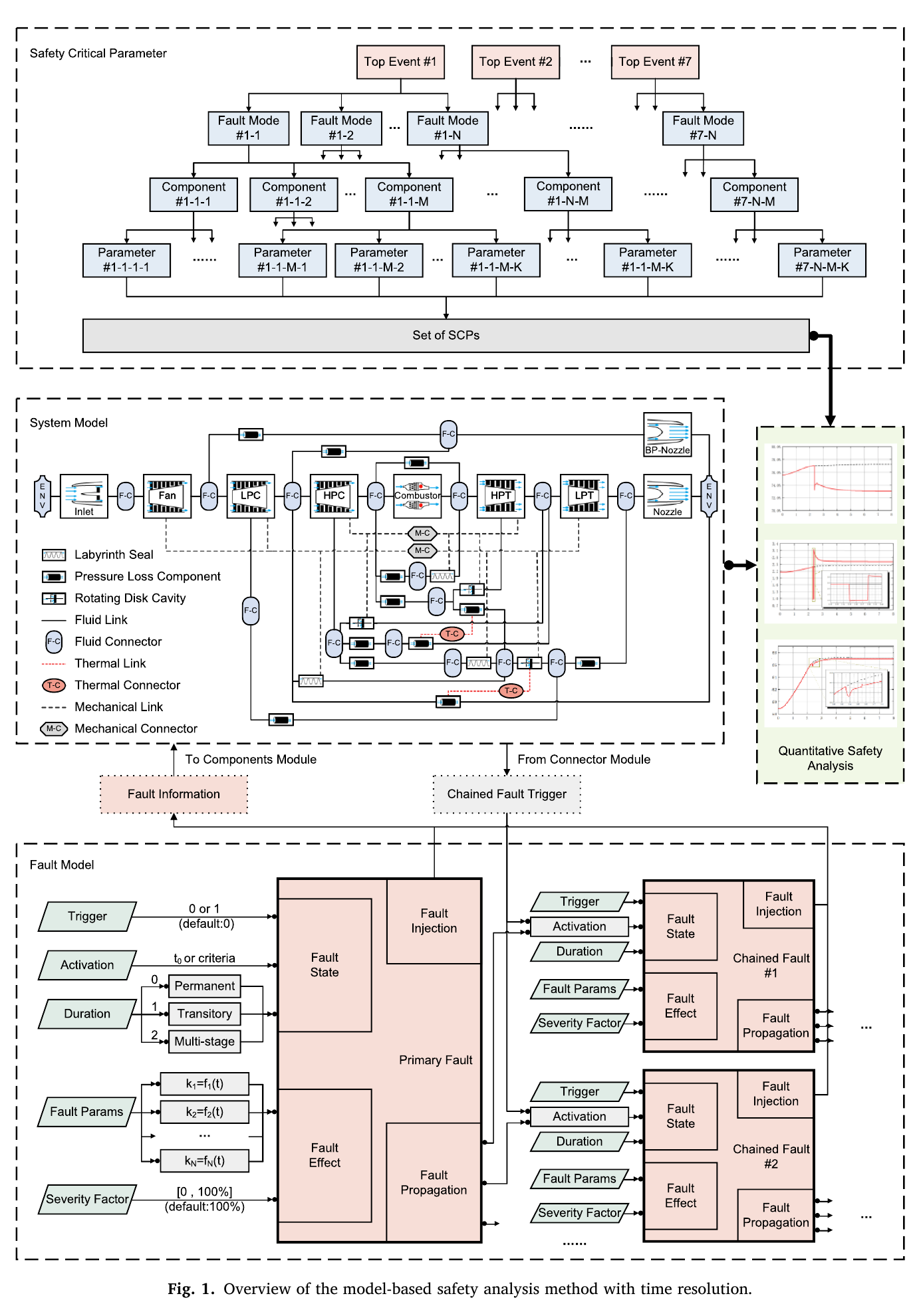
Current aero-engine safety assessments mostly rely on experience-based safety analysis methods such as Fault Tree Analysis (FTA) or Failure Modes and Effects Analysis (FMEA). The progressively significant dynamic characteristics of aero-engines during their transition between states render these methods incapable of providing accurate quantitative safety guida ...

笔记:Hand-Written Code Preservation in Model-to-Text Transformation using Intrinsic Redundancy
Hand-Written Code Preservation in Model-to-Text Transformation using Intrinsic Redundancy
Abstraction
We present a novel language-agnostic approach for integrating and preserving hand-written code in files generated via model-to-text transformation. Unlike existing approaches that only support modification of generated files in predefined locations (e.g., protected regions), the proposed approach allows users to make edits anywhere within generated files. Our handwritten code preservation techn ...
笔记:Visual Modeling and Simulation of AUTOSAR Application Layer Models Using Modelica
Visual Modeling and Simulation of AUTOSAR Application Layer Models Using Modelica
Abstraction
As automotive electronic architectures grow increasingly complex and software development costs escalate, AUTOSAR plays a critical role in standardizing and enhancing the reusability of automotive controllers. However, existing AUTOSAR application layer modeling tools, such as the Simulink AUTOSAR Blockset, primarily adopt causal modeling paradigms, which constrain flexibility in capturing intricate sy ...

笔记:Dynamic Verification of Space Missions via Flexible Model-Based Co-simulation with Systems Modeling Language and SpaceSim
Dynamic Verification of Space Missions via Flexible Model-Based Co-simulation with Systems Modeling Language and SpaceSim
Abstraction
This paper presents a model-based framework for the dynamic verification of spacecraft systems, which tightly integrates an executable systems modeling language architectural model with the in-house orbital analysis tool SpaceSim to achieve a closed-loop workflow encompassing system design, analysis, and verification. The method is abstracted into 2 generic types ...
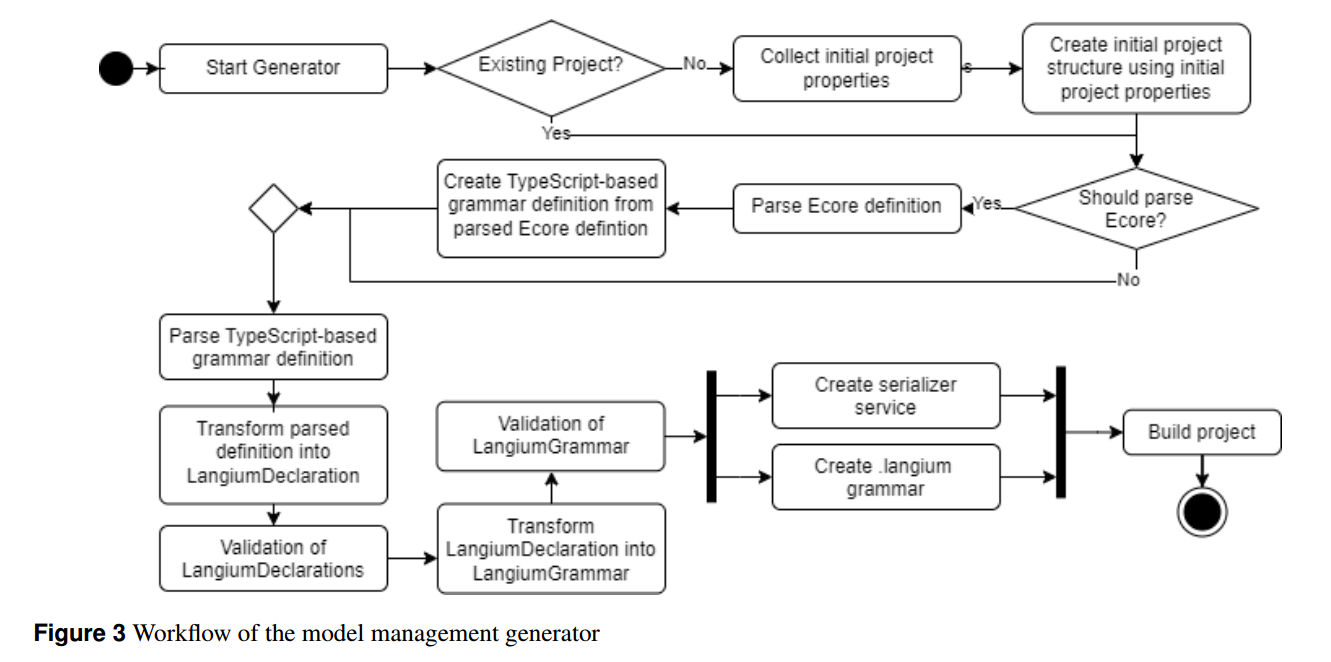
笔记:A Model Management Framework for Next-Generation Web-based Modeling Tools
A Model Management Framework for Next-Generation Web-based Modeling Tools
Abstraction
The move towards web technologies has arrived at modeling and especially modeling tools. Several frameworks and platforms have been proposed recently, aiming at the efficient realization of web-based modeling tools, i.e., tools developed with web technologies that natively allow for cloud-based deployment and use in web browsers. Most of these frameworks separate modeling tool functionality like editing, rende ...
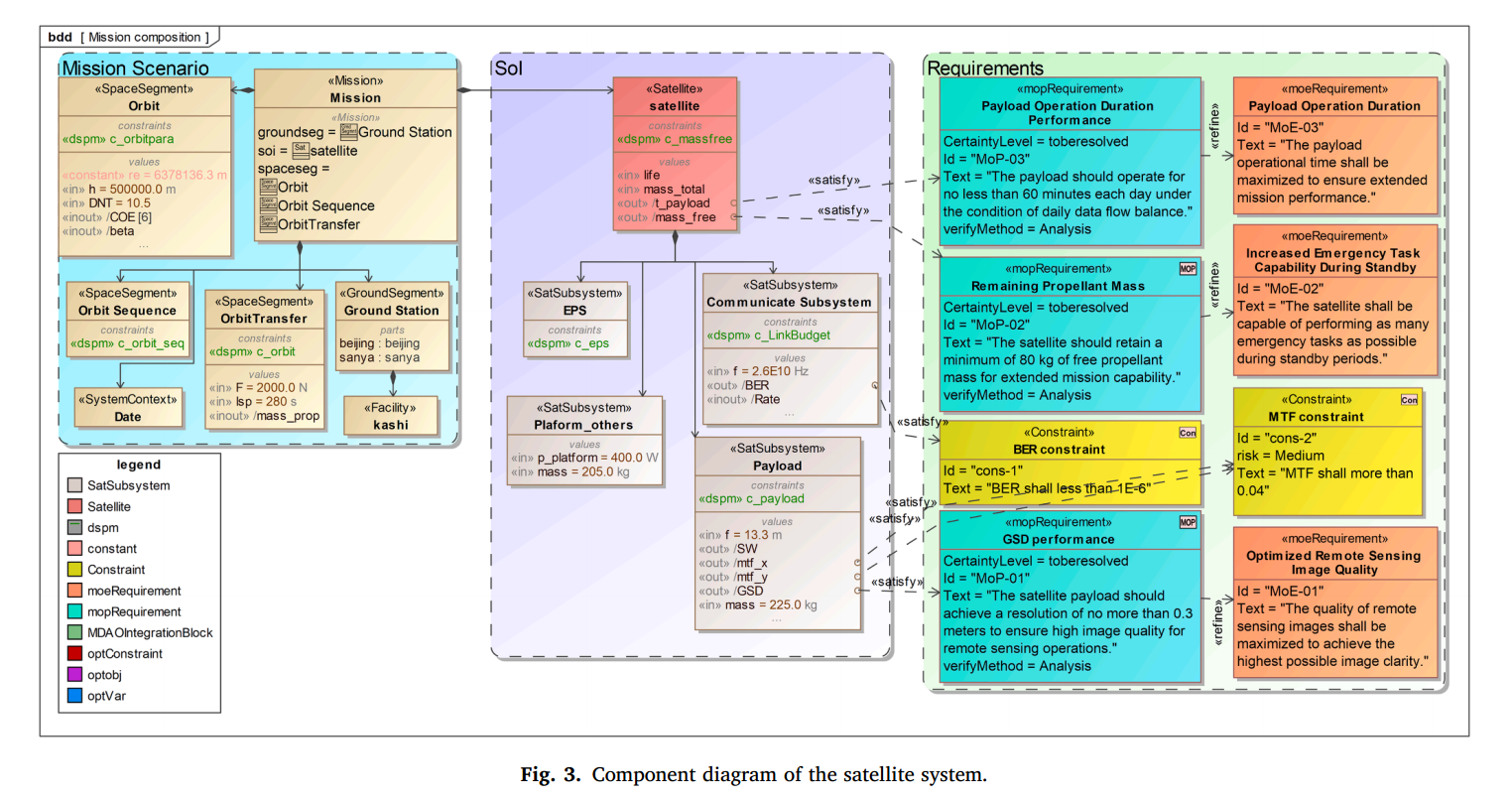
笔记:An integrated approach for enhanced early-phase space system design and optimization
An integrated approach for enhanced early-phase space system design and optimization
Abstraction
The integration of Model-Based Systems Engineering (MBSE) and Multidisciplinary Design Analysis and Optimization (MDAO) presents a powerful opportunity to enhance early-stage system design, particularly for complex space systems. However, the lack of efficient integration between these methods results in limitations such as unclear boundary between domain models, reduced automation, and challenges i ...
笔记:Domain-Specific Modeling with SysML v2
OMG - Domain-Specific Modeling with SysML v2 (by Ed Seidewitz)
A general-purpose modeling language(GPML) is broadly applicable for all kinds of modeling.
A domain-specific modeling language(DSML) is specialized to a specific application domain (e.g., aerospace, automotive, etc.), engineering domain(e.g., control, electrical, earodynamtics, etc.) or other purpose(e.g., supporting specific organizational processes).
Domain-specific modeling is (1) systematically using DSMLs to model various face ...
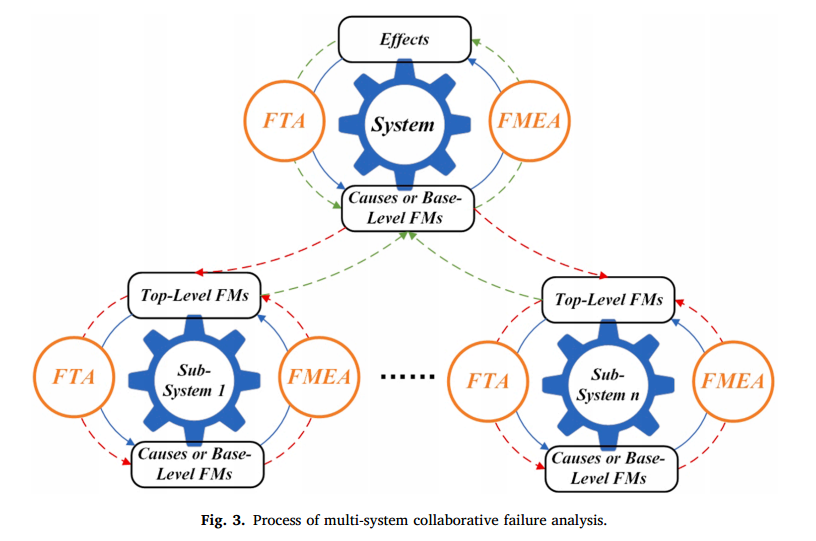
笔记:Event-based safety and reliability analysis integration in model-based space mission design
Event-based safety and reliability analysis integration in model-based space mission design
Abstraction
Model-based safety and reliability (S&R) analysis, which improves analysis accuracy and reduces cost and development time is applied in various industries. With the developments in model-based systems engineering (MBSE) and the use of systems modelling language (SysML), S&R analysis based on SysML models is gaining more attention. However, the emerging methods are inadequate for compl ...
Recent Post